


How to Learn Spearfishing Online: What a Good Course Covers and Why It Matters

Updated: Apr 18
Spearfishing is one of those sports that looks deceptively simple from the outside. You hold your breath, dive down, and shoot a fish. But anyone who has actually tried it knows the reality is far more complex. Between freediving technique, gear selection, ocean reading, fish behavior, rigging setups, and safety protocols, there is an enormous amount of knowledge that separates a beginner who struggles to land anything from a confident diver who consistently puts fish on the stringer.
The traditional path has always been to find a mentor — an experienced diver who takes you under their wing and teaches you through years of shared dive sessions. That's still the gold standard. But not everyone has access to a mentor, and not everyone lives near experienced spearfishers. That's where a quality online spearfishing course becomes invaluable. It compresses years of trial-and-error learning into a structured curriculum you can study from anywhere, on your own schedule, before you ever get in the water.

Can You Really Learn to Spearfish Online?
The short answer is yes — with a major caveat. An online spearfishing course won't replace time in the water. Nothing will. But a well-structured course gives you the foundational knowledge that would otherwise take years of diving to pick up on your own. Think of it like ground school for pilots. You wouldn't fly a plane without classroom instruction first, and you shouldn't be spearfishing without understanding safety protocols, emergency procedures, gear function, and ocean dynamics.
The biggest advantage of learning spearfishing online is that you can absorb the theory, safety, and strategy before your first dive. That means when you do get in the water, you're not fumbling with your gear or making dangerous mistakes — you're actually hunting. You already know how your speargun should be rigged, how to read conditions, what species to target, and what to do in an emergency. That head start is massive.
What a Quality Spearfishing Course Should Cover
Not all spearfishing courses are created equal. Some are glorified YouTube playlists thrown behind a paywall. A course worth your time and money should cover the full spectrum of what you need to become a safe, effective, and ethical spearfisher. Here's what to look for.
Freediving safety and emergency procedures should be the foundation of any spearfishing course. This includes shallow water blackout recognition and response, one-up-one-down buddy diving protocols, rescue breathing, and how to handle real emergencies in open water. No fish is worth your life, and the best course instructors lead with safety above everything else.

Ocean reading and conditions forecasting is another critical module. Understanding swell, wind, current, tide, water temperature, and visibility isn't just about finding fish — it's about knowing when it's safe to dive and when to stay on the beach. A good course teaches you how to read forecasts and translate that data into actionable dive planning.
Gear education separates beginners who waste money on the wrong equipment from divers who build a functional, reliable setup from day one. A thorough course should walk you through speargun types, how to rig them for different species and environments, wetsuit selection, weight systems, fins, masks, floatlines, and the accessories that actually matter versus the ones that are marketing hype.
Hunting techniques and environment-specific strategies are where the real value lives. Spearfishing a kelp forest is completely different from hunting an open reef, which is completely different from bluewater pelagic hunting or diving in poor visibility. Each environment requires different tactics, different gear setups, and different approaches to finding and approaching fish. A course that only teaches one style is leaving you unprepared for the majority of real-world diving situations.
Finally, a spearfishing course should cover fish finding — how to use depth sounders, read bottom structure, identify temperature breaks, locate bait, and translate all of that information into spots where fish actually hold. You need to find fish to shoot fish, and the divers who consistently find productive water are the ones who understand what they're looking at on the sonar and in the conditions forecast.
Who Benefits Most from an Online Spearfishing Course
Online spearfishing courses aren't just for absolute beginners. In fact, some of the people who get the most value are intermediate divers who have been spearfishing for a year or two but have hit a plateau. They're comfortable in the water but they're not consistently finding fish, they're missing shots, or they realize they've been diving with unsafe habits they picked up from watching random videos online. A structured course fills in the gaps that self-taught divers inevitably develop.
Landlocked divers who only get to dive a few times a year benefit enormously from online courses. When your time in the water is limited, you can't afford to waste dives on the learning curve. Studying technique, gear rigging, and fish behavior between trips means you show up ready to perform instead of spending half the trip remembering the basics. Boat captains who drive for divers but want to understand what their divers need are another group that benefits from a comprehensive spearfishing course — especially modules on safe boat handling around divers, which is one of the most dangerous aspects of the sport.

The SpearFactor Spearfishing Course: What's Inside
I built the SpearFactor Spearfishing Master Class to be the course I wish I had when I started diving over 25 years ago. It covers 13 in-depth modules including ethical spearfishing practices, dealing with dangerous marine life, safe diving basics, ocean conditions forecasting, finding fishing spots using sonar and charts, complete equipment breakdowns, speargun rigging for different species, aiming techniques, environment-specific hunting strategies for kelp, reef, bluewater, low visibility, shore diving, and boat diving operations.
The course includes downloadable emergency procedure checklists and 16 pages of printable notes so you can take personalized notes as you work through each module. I also share the specific brands and gear that I trust and use personally, along with discount codes for companies like Hot Rod Spearguns, Provitatec Recovery Vests, and Ted Harty's freediving courses. Whether you're a brand new diver or someone with a few seasons under your belt who wants to tighten up their game, this course gives you the knowledge base to be safer, more effective, and more confident every time you enter the water.
I also offer a standalone Boat Captain Safety Course for captains and boat drivers who want to learn proper diver pickup and dropoff procedures, emergency gear usage, and lifesaving protocols on the water. And if you want the complete package, the Master Class with Boat Course bundle gives you everything in one place. Check out the full course details and enroll at SpearFactor.com/online-spearfishing-course
Free Resources to Get Started Right Now
If you're not ready to invest in a full course yet, I've put together a ton of free content on SpearFactor to help you start building your knowledge base. My beginner spearfishing gear guide breaks down exactly what you need without overcomplicating it. The 7 spearfishing safety tips post covers the foundational safety habits every diver should follow. And the SpearFactor Spearfishing Podcast has over 80 episodes featuring expert divers, guides, and gear manufacturers from around the world sharing their best advice. You can listen on Apple Podcasts, Spotify, YouTube, or wherever you get your podcasts.
The best time to start learning spearfishing is right now — even if you're months away from your next dive trip. The knowledge you build today is what makes you a better, safer diver tomorrow. Dive smart, dive safe, and I'll see you in the water.
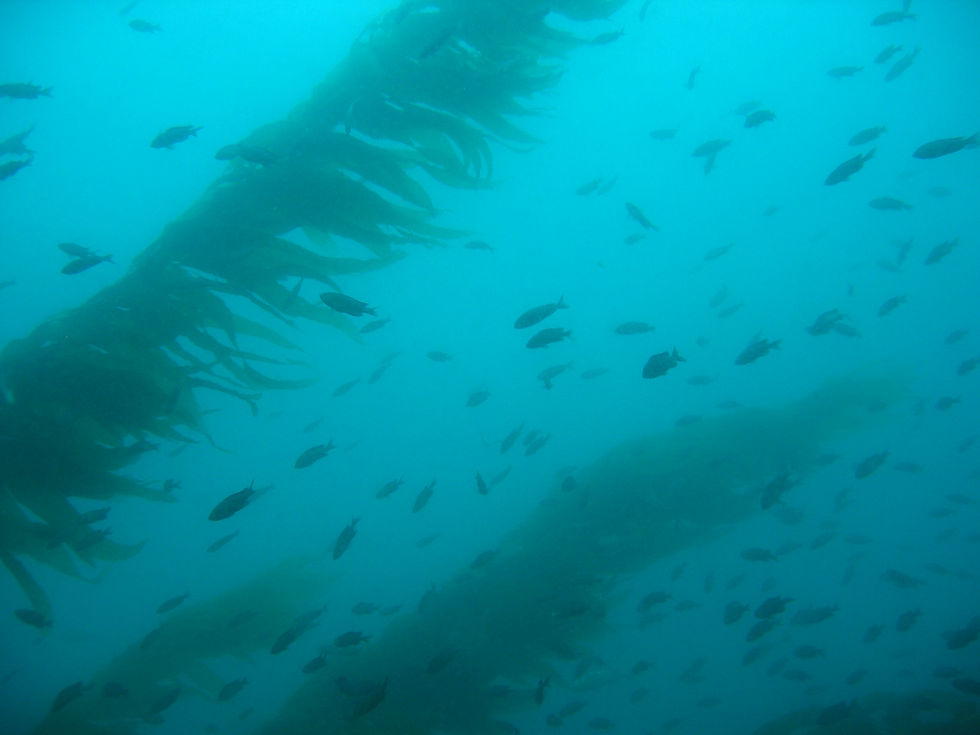
Photo credits: Freediver in ocean image by Liv & Big Blue via Wikimedia Commons, CC BY 2.0. Kelp forest off Anacapa Island, California image via Wikimedia Commons, public domain (NOAA).


Comments