


Spearfishing Baja Mexico: A California Diver's Guide from Ensenada to Cabo

Why Every California Diver Needs to Cross the Border
If you have been diving California and think the spearfishing is good, Baja Mexico will recalibrate your expectations entirely. Warmer water, better visibility, more species, less pressure, and a coastline that stretches over 2,000 miles along both the Pacific and the Sea of Cortez. It is the same ocean you have been diving, just turned up to eleven.
Baja is accessible. The northern spots are a day trip from San Diego. The southern destinations require a flight or a long drive, but the logistics are straightforward and the cost of diving in Mexico is a fraction of what you would spend on comparable trips elsewhere. Whether you want to extend your California season southward or chase bluewater pelagics in the tropics, Baja has a spot for you.
Regulations and Licensing
Mexico requires a fishing license for all spearfishing activities. You can purchase one online through the Mexican government or from licensed vendors near border crossings and in tourist areas. A weekly or annual license is available. Keep it on you at all times — Mexican authorities do check, especially at launch ramps and popular dive areas.
Spearfishing on scuba is illegal in Mexico. Freediving with spearguns and polespears is the legal method. There are species-specific bag limits and size minimums, and some areas are protected. National marine parks like Cabo Pulmo are strict no-take zones. Research the specific regulations for your destination before you go.
The Unspoken Rules
Rule 1: Keep gear inside your car or truck if you can so that you don't draw attention to yourselves. Remember, we are Americans, and everyone assumes we have money because we can afford all this fancy gear. Keep it out of sight.
Rule 2: Do not drive at night. Why? Meth and truck drivers to mix, but not so much with you. Also, free range cattle can ruin your night and your car if you hit one. On top of that, you'll owe the cattle rancher for killing his cow. Just don't drive at night or minimize the amount of night driving as possible.

Northern Baja: The Weekend Trip
Coronado Islands
The Coronado Islands sit about 15 miles south of the US border and are accessible by boat from San Diego in under two hours. The islands hold yellowtail, white sea bass, calico bass, sheephead, and barracuda. During warm-water years, you will also find dorado and tuna passing through. The water is typically cleaner than mainland San Diego, with visibility regularly exceeding 30 feet. This is the closest world-class island diving to any major US city.
Ensenada and La Bufadora
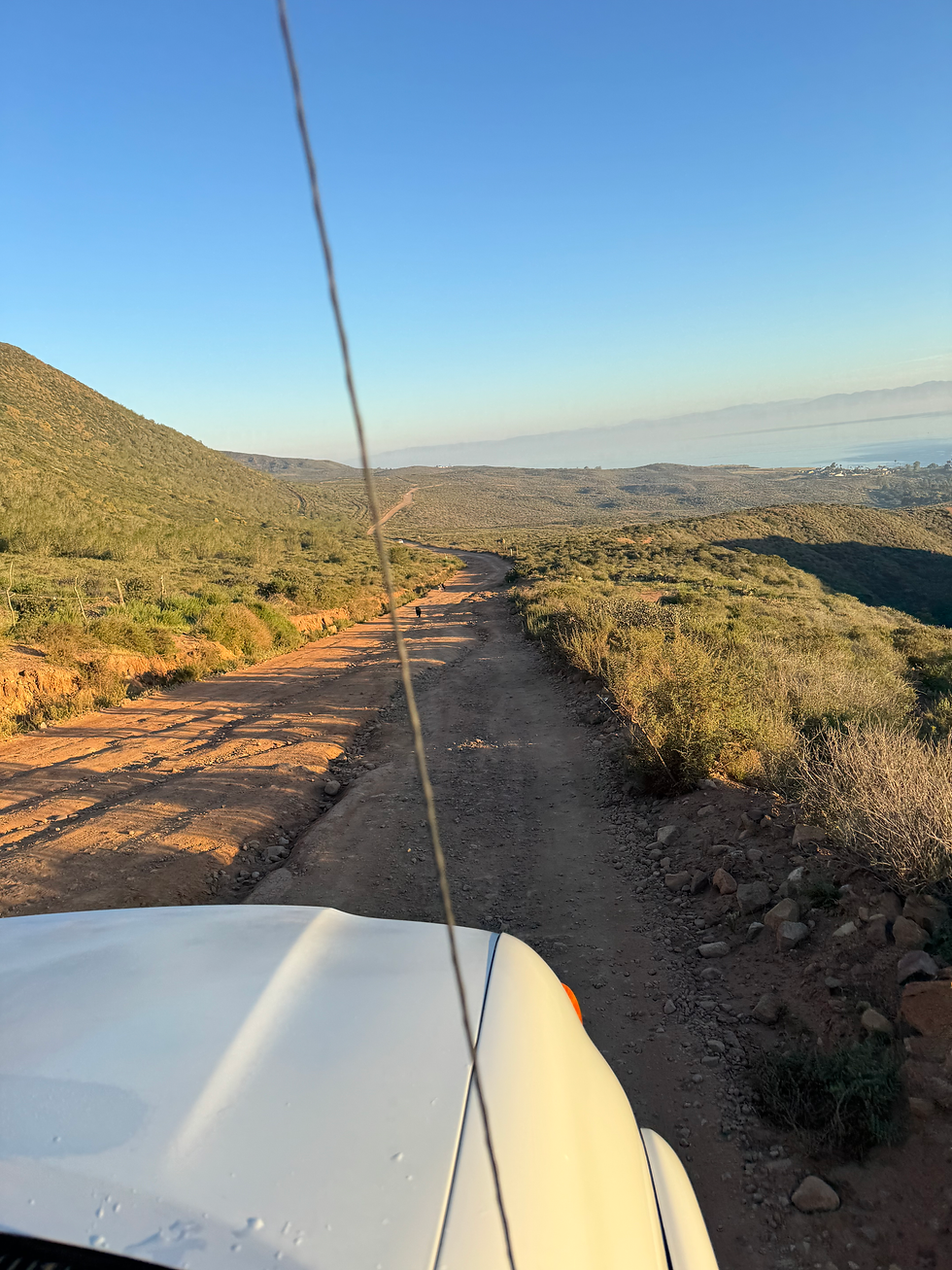
Ensenada is about 80 miles south of the border and serves as a base for diving the Punta Banda peninsula and La Bufadora. The reefs south of La Bufadora are rich with lingcod, sheephead, calico bass, and lobster. The rocky coastline drops off quickly into deeper water, and the mix of Pacific current and upwelling creates productive conditions. Visibility can be variable but often runs 15 to 30 feet.
This is a perfect weekend trip from San Diego or Los Angeles. Drive down Friday, dive Saturday and Sunday, drive home Sunday evening.
San Quintin and Colonet
Further south along the Pacific coast, San Quintin and Colonet offer remote, lightly pressured reefs with big lingcod, yellowtail, and excellent lobster diving. The infrastructure is more basic than Ensenada, but the fishing quality increases significantly with the reduced pressure. Bring everything you need.
Central Baja: The Sea of Cortez Transition
Bahia de los Angeles

Bahia de los Angeles is where the Sea of Cortez begins to show its potential. The bay is protected, the water is warm, and the marine life is exceptional. Yellowtail, grouper, pargo, cabrilla, and triggerfish are all common targets. During summer months, whale sharks feed in the bay — a surreal experience to share the water with them between dives. The town is small and remote (about 8 hours from the border), but it is a genuine hidden gem.
Loreto
Loreto sits on the Sea of Cortez coast and is surrounded by the Loreto Bay National Marine Park. The park restricts fishing in some areas, so know the zones before you dive. Outside the protected areas, the islands offshore — Isla del Carmen, Isla Danzante, and Isla Coronado — offer outstanding diving with clear water (often 40 to 60 feet of visibility), rocky structure, and a mix of tropical and temperate species.
Southern Baja: Bluewater Paradise
La Paz
La Paz is the spearfishing capital of Baja. The city sits on the Sea of Cortez with easy access to world-class diving at Isla Espiritu Santo, Isla Cerralvo, and the seamounts offshore. The water is warm (75 to 85 degrees in summer), visibility is outstanding (40 to 80 feet), and the species list reads like a bucket list: yellowfin tuna, wahoo, dorado, roosterfish, pargo, grouper, cabrilla, jack crevalle, and more.
La Paz has a well-established dive and spearfishing community with local guides, boat charters, and shops that cater to visiting divers. If you are making your first Baja spearfishing trip and want reliable logistics, La Paz is the easiest choice.
East Cape
The East Cape — the stretch of coast from San Jose del Cabo north to Los Barriles — is a bluewater playground. The continental shelf drops off steeply, bringing deep ocean water close to shore. This is where you chase wahoo, yellowfin tuna, and dorado in open water. The East Cape is also one of the best places in the world for roosterfish, which patrol the sandy beaches in the surf zone.
Diving the East Cape requires experience. The currents can be strong, the water is deep, and you are often miles from shore on a panga. But the quality of the fishing is world-class.
Cabo San Lucas
Cabo is the most well-known destination in Baja, and while it is primarily a sport fishing town, the spearfishing access is excellent. The underwater canyon off the arch (El Arco) drops thousands of feet just offshore, and the mixing of Pacific and Sea of Cortez water creates a nutrient-rich zone that attracts everything from reef fish to pelagics. Wahoo, yellowfin, dorado, grouper, pargo, and snapper are all available depending on the season.
What to Bring
Bring everything. Baja has dive shops in the larger towns, but selection is limited and prices are higher than stateside. Pack your own gear, spares (bands, tips, shaft, mask strap), a basic repair kit, and enough supplies for the duration of your trip.
For Northern Baja (Pacific side), your California gear works fine — 5mm to 7mm wetsuit, standard speargun, float and flag. For the Sea of Cortez and Southern Baja, drop to a 3mm suit or even a rashguard in summer. The water is warm and you will overheat in a thick suit. Bring a bluewater setup (longer gun, float line, larger float) if you plan to target pelagics.
Coolers and ice are critical. Baja gets hot, and your catch will spoil fast without proper ice. Bring a quality cooler, buy ice in town before your dive, and keep your fish on ice from the moment it comes out of the water.
Safety and Logistics
Travel insurance is a smart investment for any Baja trip. Mexican auto insurance is mandatory if you are driving across the border — your US policy does not cover you in Mexico. Purchase it online or at the border before you cross.
Cell service is spotty outside major towns. Bring a satellite communicator (like a Garmin inReach) if you are diving remote areas. Let someone know your float plan — where you are going and when you expect to be back.
Fuel availability can be limited in remote areas. Fill up at every opportunity. Water and supplies follow the same rule — if you see it, buy it, because the next town might not have it.
What to Expect
Baja Mexico is the natural extension of the California spearfishing experience. The same Pacific Ocean, the same kelp and rocky reefs in the north, transitioning into the warm, clear, species-rich waters of the Sea of Cortez as you head south. Every California diver owes it to themselves to make the trip at least once. Most come back every year.

Planning a Baja trip? Check conditions at California departure points using the SpearFactor Fish and Dive Conditions tool before heading south.


Comments