


Lung Squeeze in Freediving: Causes, Symptoms, Recovery, and How to Prevent It

Lung squeeze (pulmonary barotrauma) is the most serious common injury in deep freediving and competitive spearfishing. It happens when chest tissues fail to compress evenly under pressure, capillaries rupture, and blood enters the airways. Mild cases mean a few days of coughing up pink froth. Severe cases can lead to drowning at depth or pulmonary edema on the surface.
Most divers who get squeezed knew the warning signs and ignored them. This guide breaks down what causes lung squeeze, how to recognize it, what to do if it happens, and how to train to avoid it altogether.
What Lung Squeeze Actually Is
As you descend on a single breath, water pressure compresses your lungs. At about 33 feet, your lungs are half their surface volume. At 100 feet, they are roughly one-quarter. The body compensates with the blood-shift reflex - blood pools into the chest cavity, surrounding the lungs and supporting their structure as they shrink.
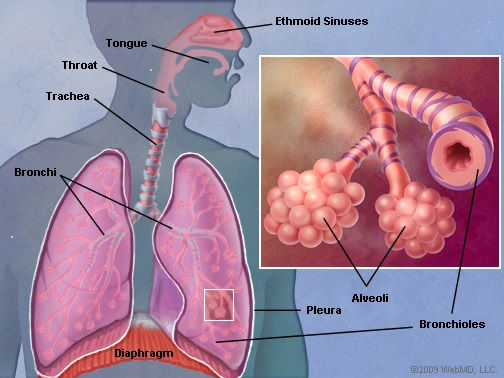
Lung squeeze occurs when this compensation fails or is overwhelmed. The diaphragm or chest wall is forced to bend too far, lung capillaries rupture, and blood leaks into the alveoli (the small air sacs of the lungs).
Common Causes
Diving deeper than your physiological adaptation: pushing past your trained depth before blood-shift is fully developed
Cold water without warm-up: cold causes vasoconstriction, reducing blood-shift effectiveness
Reverse packing (forcing more air out before descent): popular but risky technique that reduces residual volume below safe limits
Weighted descents in head-down position with poor relaxation: tense diaphragm fights the natural compression
Rapid changes in depth: jerky descent or ascent strains tissues that need slow loading
Pre-existing chest tightness or congestion: any reduction in lung elasticity raises squeeze risk
Warning Signs at Depth
Most squeezes give a warning before they become severe. If you notice any of these on a dive, abort immediately and ascend slowly:
Sharp chest tightness or pain different from normal pressure
A 'bubbling' or 'wet' feeling in the chest
Sudden urge to cough at depth
Tightness that does not equalize as you ascend
Continuing the dive after these warnings is how minor squeezes become serious.
Surface Symptoms
Symptoms after surfacing depend on severity. Most squeezes show within minutes of ascent:
Mild: dry cough, slight throat tickle, possibly a streak of pink froth or blood when coughing
Moderate: persistent coughing, visible pink or red sputum, mild shortness of breath, chest discomfort
Severe: continuous coughing of bright red blood, severe shortness of breath, gurgling chest sounds, blue lips, dropping oxygen levels
Any visible blood from the lungs is a medical event - even a streak. Severe symptoms are an emergency.
What to Do If You Get Squeezed
Stop diving immediately. Do not finish the dive day, do not 'try one more shallow dive'
Get out of the water and onto a stable, flat surface
Sit upright. Do not lie flat - it makes lung drainage worse
Stay calm. Slow, controlled breathing reduces airway irritation and bleeding
Do not blow your nose hard or strain - this can re-rupture healing capillaries
Mild squeeze: rest, monitor, no diving for at least 7-14 days
Moderate or severe: go to the hospital. Bring a buddy who can describe the dive profile
Pulmonary edema (fluid in the lungs) can develop hours after surfacing. If shortness of breath worsens after the initial event, treat it as an emergency.

Recovery Timeline
Mild squeeze: 1-2 weeks of no diving, no heavy exertion, no airway irritation (no smoking, no high altitude)
Moderate squeeze: 4-6 weeks minimum. Imaging (chest X-ray or CT) recommended before returning to depth
Severe squeeze: 8 weeks to several months, with medical clearance and pulmonary function testing before return
The lungs heal completely from most squeezes, but scarring or repeat injury at the same depth can cause chronic susceptibility. Repeat squeezes are a sign you are diving past your physiological limit and need to back off significantly.
Prevention: How to Train So It Never Happens
Build depth slowly: progress no more than 3-5 feet per session, with full relaxation at each new depth before going deeper
Warm up: do 3-5 progressive dives starting at 30-50% of target depth before pushing your limit
Train flexibility: regular diaphragm and ribcage stretches (yoga, freediving-specific stretching) increase chest compliance and reduce squeeze risk
Stay relaxed at depth: tension in the diaphragm or shoulders is the most common trigger. Drop the gun before turnaround if you feel tight
Avoid reverse packing until you have professional instruction and significant depth experience
Never dive deep when sick, congested, or fatigued: lung tissue is more vulnerable when inflamed
Listen to your body: a dive that feels tight is one to skip. Ego deaths are a real risk in deep freediving
Why This Matters
Lung squeeze is not a freak accident - it is a predictable injury that follows from pushing past your adaptation. Divers who progress slowly, warm up properly, and respect warning signs almost never get squeezed. Divers who chase numbers or copy other people's depth charts get squeezed regularly. Build depth like you build a bench press: in small, repeatable, fully-recovered increments.
Photo credits: Lung anatomy diagram by Sumaiya, via Wikimedia Commons (CC BY-SA 4.0). Lung structure diagram by the National Heart, Lung, and Blood Institute (Public Domain).


Comments