


Michigan Just Opened Great Lakes Spearfishing for Walleye, Pike, and Lake Trout: What You Need to Know for April 2026
- Bret Whitman

- Feb 23
- 6 min read
Updated: Apr 12
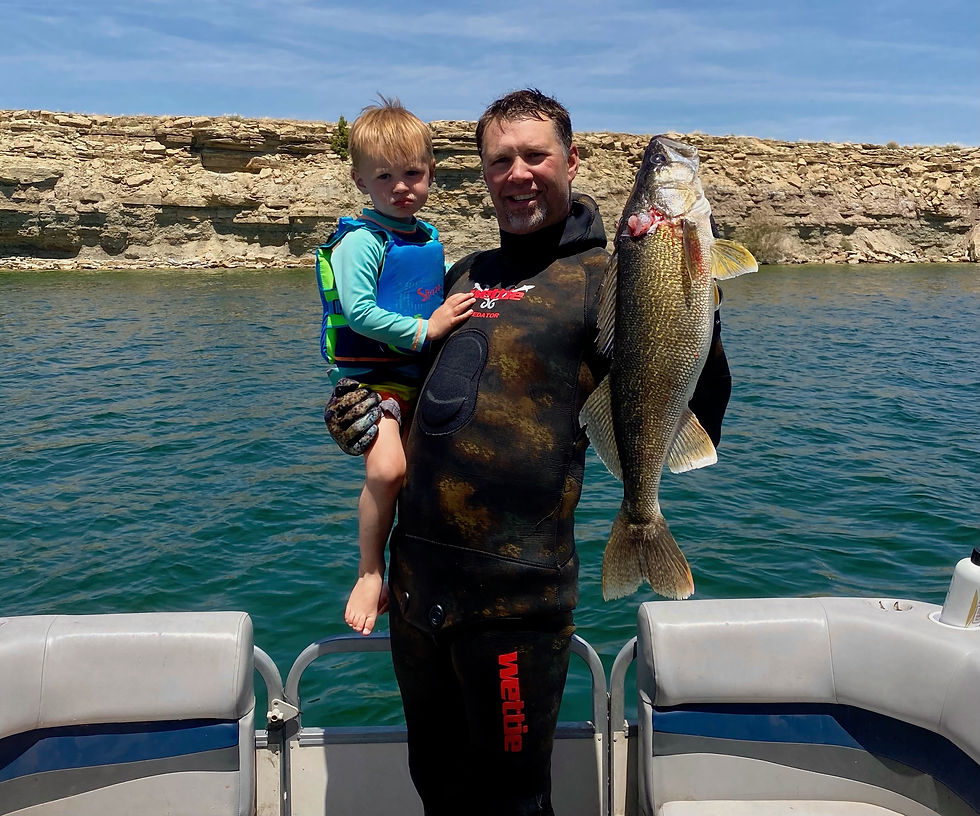
If you haven't heard the news yet, Michigan just made one of the biggest moves in the history of freshwater spearfishing in the United States. The Michigan Natural Resources Commission voted unanimously to expand underwater spearfishing regulations across all four Great Lakes bordering the state — Lakes Erie, Huron, Michigan, and Superior. Starting in April 2026, freedivers will be able to legally target walleye, northern pike, and lake trout in these waters for the first time ever in many of these areas.
This is a massive win for the spearfishing community and a direct result of years of advocacy led by Jon Durtka and the Michigan Spearfishing Association. Whether you're a saltwater spearo curious about freshwater hunting, a Midwest diver who has been waiting for this opportunity, or someone who has never considered spearfishing the Great Lakes before, this article breaks down everything you need to know.
What Changed: The New Michigan Spearfishing Regulations Explained
Prior to this ruling, Michigan had been running a temporary trial program that allowed spearfishing for walleye, northern pike, and lake trout in limited portions of Lakes Huron and Michigan. That trial period ended in 2025, and the data collected during those years proved what spearfishers have been saying all along — freediving spearfishing has virtually zero negative impact on fish populations compared to hook-and-line fishing. The new permanent regulations expand those zones significantly and open entirely new waters in Lakes Erie and Superior.
Here's what the expansion covers. On Lake Michigan, spearfishing is now allowed from the Indiana border north to the 45th parallel and along Michigan's south shore of the Upper Peninsula. Lake Huron zones that were previously experimental are now permanent. Western Lake Erie opens from the Detroit River south to the Ohio state line. And for the first time, portions of Lake Superior are now open to spearfishing — truly virgin territory for freedivers. Closed areas remain around spawning zones and sensitive habitats to protect big lake trout populations.
The Rules: Licensing, Reporting, and Restrictions You Need to Follow
Michigan has put clear safeguards in place that every spearfisher needs to understand before entering the water. First, you must obtain a free annual underwater spearfishing license from the Michigan DNR in addition to your standard fishing license. This is free but mandatory. Second, all spearfishing anglers are required to submit monthly effort and harvest reports using the DNR's online reporting tool. This data is critical for fisheries management and is one of the key reasons the trial program succeeded — it gave the NRC the hard numbers they needed to justify expansion.
Additional restrictions include: you must be fully submerged beneath the water's surface when attempting to harvest fish. No SCUBA, rebreathers, or artificial breathing devices of any kind are allowed — this is a freediving-only regulation. Spearfishing is prohibited from 30 minutes after sunset to 30 minutes before sunrise, so this is strictly a daytime activity. You cannot spearfish within 150 feet of designated swimming areas, boat docks, boat launch ramps, or power intake tubes. All existing species-specific size limits and daily possession limits that apply to hook-and-line anglers also apply to spearfishers.
Why This Matters for the Spearfishing Community
This expansion is significant for several reasons beyond just giving divers more water to hunt. First, it establishes a legal and scientific precedent that other Great Lakes states can follow. Michigan now sits at the top of the list for Midwest states creating opportunities for underwater spearfishing. The data collected from Michigan's reporting system directly counters the argument that spearfishing harms gamefish populations — because it doesn't. Spearfishing has zero bycatch, no habitat damage, and no pollution, making it arguably the most sustainable and selective method of harvesting fish.
Second, the Great Lakes are an incredible and largely untapped spearfishing destination. Lake Superior alone is essentially unexplored territory for freedivers targeting lake trout. The visibility, structure, and fish populations in these massive inland seas rival many coastal saltwater environments. For the thousands of divers living in the Midwest who have been limited to rough fish like carp and suckers, this opens up a legitimate gamefish spearfishing experience close to home.

Gear Considerations for Great Lakes Spearfishing
If you're coming from saltwater spearfishing or you're brand new to the sport, gear selection for the Great Lakes requires some different thinking. Water temperatures in the Great Lakes are significantly colder than most saltwater spearfishing environments, even in summer. A thick wetsuit — 5mm to 7mm depending on the season — is essential for any extended time in the water. Hooded vests, gloves, and booties become necessary rather than optional in these temperatures. Cold water drains your body heat fast and directly impacts your breath-hold ability and mental sharpness.
For spearguns, a mid-sized Euro gun in the 90cm to 110cm range is a good starting point for walleye and pike in the visibility conditions you'll encounter. Shorter guns work well for pike in shallow weed beds and structure where shots are close. Lake trout in deeper, clearer water may call for a longer gun. Polespears are also a viable option for shallower species. If you're just getting into spearfishing and need help building your first gear setup, check out my beginner spearfishing gear guide on SpearFactor for straightforward recommendations that won't break the bank.
Safety First: Cold Water Freediving Is No Joke
The Great Lakes demand respect. Cold water, limited visibility in many areas, boat traffic, and the physical demands of freediving in a thick wetsuit all create safety challenges that warm-water spearfishers may not be used to. Always dive with a buddy. Never spearfish alone in the Great Lakes — the risk of shallow water blackout is higher in cold water because your body burns through oxygen faster trying to maintain core temperature. If you do find yourself diving solo out of necessity, read my guide on solo spearfishing safety tips on SpearFactor for practical ways to reduce risk.
Surface conditions on the Great Lakes can change rapidly. What starts as a calm morning can turn into serious chop and current within an hour. Carry a surface marker buoy and dive flag at all times — boat traffic is heavy on these lakes and boaters may not be expecting divers. Know your limits, especially early in the season when water temperatures are at their coldest. Build up gradually and don't push depth or bottom time until you've acclimated to the conditions.
Target Species: What You're Hunting and Where to Find Them
Walleye are the marquee species in this expansion and arguably the most popular freshwater gamefish in the Midwest. They're excellent eating, put up a decent fight, and tend to hold near rocky structure, reefs, and drop-offs in the Great Lakes. Walleye have sensitive eyes and often feed in lower-light conditions, so early morning dives during legal shooting hours can be particularly productive. They're not as skittish as some saltwater species, but they won't hang around long if you make noise or move aggressively.

Northern pike are aggressive, territorial predators that hold in and around weed beds, submerged timber, and shallow structure. They're ambush feeders and can be found surprisingly shallow, making them an accessible target for freedivers of all experience levels. Pike are outstanding table fare once you learn to remove the Y-bones — a skill every Midwest spearo should develop. Lake trout are the deep-water prize. They prefer cold, clean water and often hold over rocky bottom and structure at depth. Targeting lakers will push your freediving skills and require solid equalization technique and comfort at depth.
The Future of Freshwater Spearfishing Is Here
Michigan's decision to permanently expand Great Lakes spearfishing is a landmark moment for the sport. It validates what the spearfishing community has been saying for years — that freediving spearfishing is the most selective, most sustainable, and lowest-impact method of harvesting fish. The responsibility now falls on every diver who enters these waters to follow the regulations, report their catches honestly, and represent the sport in a way that encourages other states to follow Michigan's lead.
If you're interested in learning more about getting into spearfishing — whether in the Great Lakes, the ocean, or anywhere in between — check out SpearFactor.com for gear guides, technique breakdowns, safety tips, and the SpearFactor Spearfishing Podcast where I've had guests on who dive freshwater in the Great Lakes region. April 2026 is right around the corner. Start preparing now and be ready to be part of something historic.
Photo credits: Walleye (Sander vitreus) image via Wikimedia Commons, public domain. Northern pike underwater image by Luc Viatour via Wikimedia Commons, CC BY-SA 3.0.


Thanks for writing this up Bret! Michigan is one of the nations premier freshwater spearfishing destinations with fun for the whole family!