


Spearfishing the Cook Islands: A Rarotonga Travel Guide

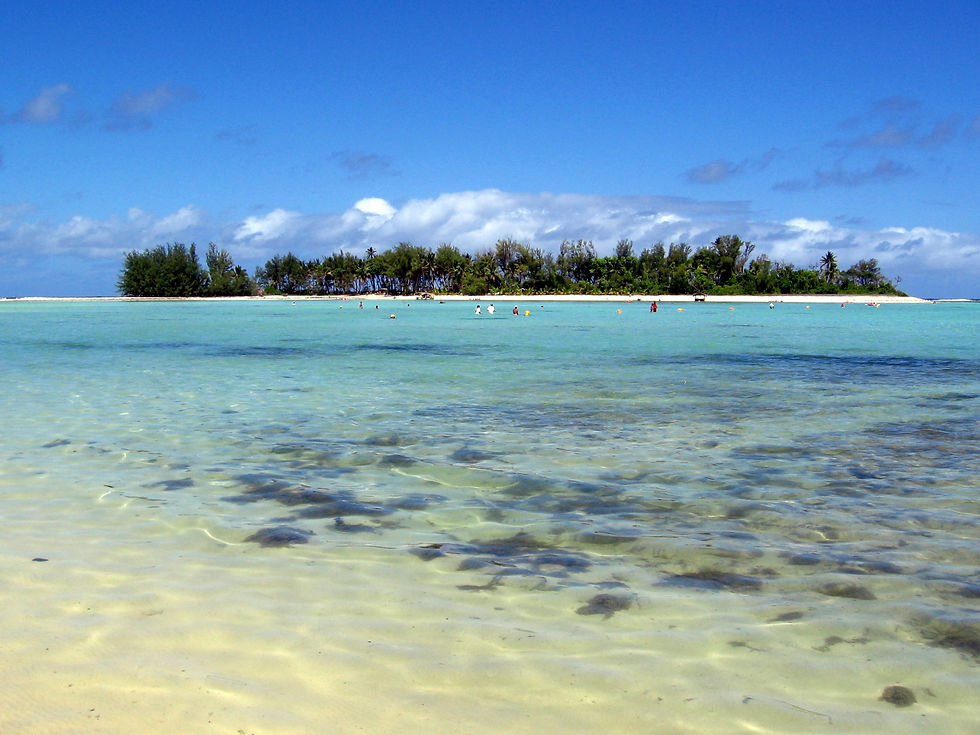
The Cook Islands sit in the heart of the South Pacific, a scattering of fifteen islands between Tahiti and Fiji. Rarotonga, the main island, is a volcanic peak ringed by a shallow lagoon and a barrier reef — and just beyond that reef the seabed drops away into deep, clear bluewater. For divers, that contrast is the whole draw: warm water, good visibility, and pelagic fish cruising the edge of the drop-off. Here’s how to plan a trip, where you can and can’t put a spear in the water, and what to do on the days you’re out of the ocean.
Basing Yourself: The Edgewater Resort & Spa
The Edgewater Resort & Spa is the largest hotel on Rarotonga and an easy home base for a diving trip. It sits on the sheltered west coast at Arorangi, about five minutes from the airport and a short drive from the main town of Avarua. With roughly 125 rooms, two on-site restaurants (The Brasserie and The Spaghetti House), a pool, spa, tennis, and a beachfront, it’s a comfortable mid-range option that keeps you on the calmer leeward side of the island — handy when you’re timing charters and watching the weather. The west-coast setting also puts you near Arorangi’s reef access if you want to swim out and scout the lagoon on a down day.
Lagoon vs. Bluewater: Where the Fish Are
Rarotonga’s lagoon is shallow, warm, and gorgeous, but it’s not where the hunting happens. The reef fish inside the lagoon are small, tightly tied to the coral, and — importantly — carry a real ciguatera risk (more on that below). The serious diving here is bluewater: running a charter outside the barrier reef to the drop-offs and the FADs (fish aggregating devices) anchored offshore, where wahoo, yellowfin tuna, mahi-mahi, and trevally move through. This is open-ocean, blue-water hunting — deep water, current, and no bottom in sight — so it suits experienced divers who are comfortable off the boat, not first-timers.

Where You Can’t Spearfish: The Ra’ui
The Cook Islands protect large stretches of their reef and lagoon through ra’ui — a traditional system of marine reserves where fishing of any kind, including spearfishing, is prohibited. Ra’ui zones are marked with blue signs along the shore, and the boundaries are taken seriously as both a conservation measure and a cultural one. Rarotonga has several ra’ui around the island that are periodically reviewed and rotated by local leaders (the Koutu Nui). Never spear inside a ra’ui, and check locally before you get in the water — the active areas can change.
Named ra’ui areas on Rarotonga include:
Tikioki (Marine Reserve, in front of Fruits of Rarotonga) — the best-known and most popular for snorkeling
Nikao
Aroko
Matavera
Rutaki
Aroa (Aroa Marine Reserve)
These are no-take zones. Because the boundaries are reviewed and rotated by local leaders, always confirm the current status with your charter operator or locally before diving.
Where You Can Spearfish
Outside the ra’ui and beyond the barrier reef, spearfishing is allowed. The Cook Islands have no recreational fishing license requirement and no formal bag limits for visitors doing typical recreational diving. In practice that means your hunting is in the bluewater outside the reef — off a charter, around the drop-offs and FADs. Take only what you’ll eat, avoid the ra’ui, and respect the local reefs and the community’s conservation ethic; the light regulation depends on visitors self-policing.
Rules, Licensing, and the Ciguatera Warning
Ciguatera: reef fish around Rarotonga can carry ciguatera toxin, which does not cook out and can make you seriously ill. Locals know which reef species and which stretches of reef to avoid, and it’s a big reason the target fish here are the offshore pelagics rather than reef fish. Ask your operator before you eat anything you’ve taken.
The species most often linked to ciguatera on Rarotonga’s reef — and best left alone — include:
Moray eels — giant morays taken from Muri Lagoon have tested high
Groupers
Snappers (including red snapper)
Barracuda
Trevally / jacks, especially large giant trevally (GTs)
Parrotfish
Surgeonfish
Wrasse
Even the giant clam (Tridacna maxima) is a commonly implicated shellfish here. The offshore pelagics — tuna, wahoo, and mahi-mahi — do not carry the toxin and are safe to eat, which is another reason the hunting here points offshore. Toxin levels vary by reef and season, so always ask your operator or locals before eating anything off the reef.
Licensing and etiquette: there’s no recreational license to buy, but there is a strong local expectation that visitors won’t over-harvest and won’t spear inside protected zones. Diving with a local charter is the simplest way to stay on the right side of both the rules and the reef.
Charters and Guides
Because the real diving is offshore, a charter is the way to do it. Boats run out of Avatiu Harbour in Avarua on the north coast. A few operators to look into:
Go Local Cook Islands — a locally owned, budget-friendly operator and the broadest one-stop shop on the island: reef/lagoon and bluewater spearfishing, freediving, surfing and bodyboarding, scuba and reef diving, plus game-fishing charters. All gear is provided, and their beginner-friendly lagoon spearfishing tours make them a good fit for divers without their own kit or offshore experience — generally the most affordable option in town.
Adventure Cook Islands — runs dedicated bluewater spearfishing trips on a Stabicraft out to the FADs; geared toward experienced divers.
Bluewater Adventures — spearfishing and freediving charters; can provide gear.
Akura Fishing Charters — a long-running family fishing operation (20+ years).
Reelaxing Fishing Charters — fishing charters; plan to bring your own spearfishing gear.
Book ahead, be honest about your experience level (bluewater is not the place to learn), and confirm what gear is provided versus what you need to bring.
Beyond Spearfishing: What Else to Do
Rarotonga is small — you can drive the ring road in under an hour — but there’s plenty to fill the days you’re off the water.
The Cross-Island Trek and Te Rua Manga (The Needle). The island’s signature hike climbs from the north coast up to Te Rua Manga, the dramatic rock spire known as The Needle, then drops down the south side past the Papua (Wigmore’s) Waterfall. It’s a steep, muddy, 3–4 hour trek and the best way to see the volcanic interior.

History and culture. Te Vara Nui Village at Muri stages an over-water cultural night show with a dinner buffet, telling Cook Islands legends through dance — the standout evening activity. For the islands’ Polynesian voyaging heritage and missionary history, the old CICC coral-lime churches and the marae (sacred meeting grounds) dotted around the island are worth a stop.
Punanga Nui Market. Saturday mornings (roughly 7am to noon) in Avarua, the Punanga Nui Market is the island’s big weekly gathering — produce, local food, black pearls, crafts, and live music. It’s the single best stop for shopping and souvenirs.
Whale watching. From roughly July through October, humpback whales move through Cook Islands waters — the country has been a whale sanctuary since 2001, and boat trips (and even shore sightings) are common in season. If you’re there in the back half of the year, keep an eye on the horizon.
Surfing. Rarotonga is a reef-break island — the waves break over shallow, sharp coral rather than sand, so it’s hazardous and best left to experienced surfers who know the reef. There are breaks off Nikao and elsewhere, but conditions are fickle and the coral is unforgiving; most visitors are better off in the lagoon.
Muri Lagoon and Aitutaki. Muri Lagoon on the southeast coast is the postcard spot — turquoise water and small motu (islets) ideal for paddling and snorkeling. For a bigger day trip, a short flight to Aitutaki reaches one of the most celebrated lagoons in the Pacific.
The Bottom Line
The Cook Islands are a bluewater destination first — the hunting is offshore, off a charter, for pelagics, not in the lagoon. Base at the Edgewater on the calm west coast, book an experienced-diver charter out of Avatiu, respect the ra’ui reserves and the ciguatera warnings, and build in a few land days for the Cross-Island Trek, the Saturday market, and — if you’re there in the back half of the year — the humpbacks. It’s a long way to go, but for warm water, clear bluewater, and fish that don’t see many divers, it delivers.
Photo credits: Muri Beach, Rarotonga by Gemma Longman (CC BY 2.0, via Wikimedia Commons); wahoo (Acanthocybium solandri) by michael_bommerer (CC BY 4.0, via Wikimedia Commons); Te Rua Manga (The Needle), Rarotonga by Sleeps-Darkly (CC0, via Wikimedia Commons). Travel and regulatory details compiled from public Cook Islands tourism and dive-charter sources.


Comments