


Spearfishing Vanuatu: South Pacific Reefs, Volcanic Coasts, and the Untouched Outer Islands

Vanuatu sits in the South Pacific between Fiji and the Solomon Islands — a chain of 83 volcanic islands with a total population under 350,000 people. The diving has been protected from the development pressures that have changed most of the Pacific by sheer geography and economics. Reefs are healthy, populations of pelagic species are present, and the outer islands offer access to diving that feels closer to Pacific exploration of the 1960s than modern tourism.
This guide covers what to expect spearfishing Vanuatu, the regional breakdown, and how to plan a trip to one of the South Pacific's most underrated diving destinations.
Why Vanuatu
Healthy reef systems with minimal human pressure
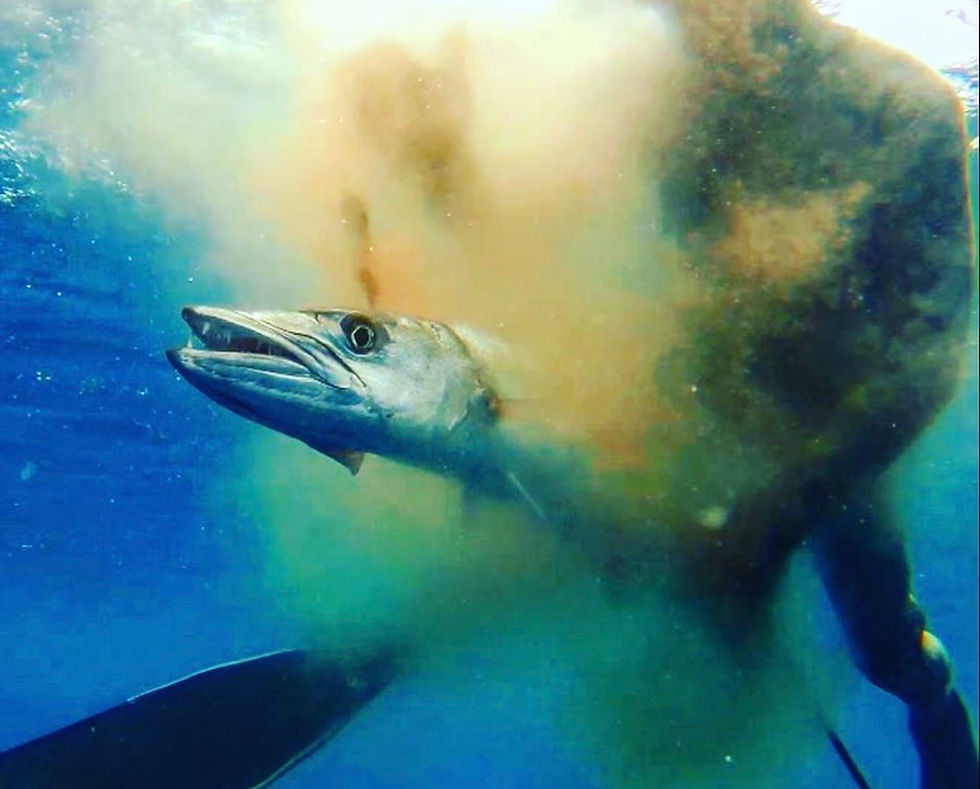
Pelagic species — wahoo, dogtooth tuna, GT, mahi-mahi present in good numbers
Volcanic geography producing dramatic underwater terrain
Famous WWII wrecks (especially Espiritu Santo) for divers interested in history
Strong traditional culture — kastom landowner system applies to marine areas
Reachable from Australia/New Zealand without long-haul travel
English widely spoken in tourist areas
Regional Breakdown
Efate (Port Vila and surrounds)
The most developed region with the main international airport. Established dive operators, the easiest logistics, reef diving and some pelagic options accessible. Best for first-time visitors and those wanting comfortable infrastructure.
Espiritu Santo
Largest island with famous diving — SS President Coolidge wreck is a world-class scuba destination but spearfishing is also productive on outer reefs. Direct flights from Vila. More remote than Efate but well-developed for diving.

Champagne Beach, Espiritu Santo — the gin-clear water Vanuatu is known for. Photo by Simon_sees, via Wikimedia Commons (CC BY 2.0).
Tanna
Famous for the live volcano (Mount Yasur) and traditional culture. Diving available but the island is better known as a cultural destination. Reef systems are good for those who combine diving with land experiences.

Mount Yasur on Tanna erupting at night — one of the world’s most accessible active volcanoes, just inland from the dive grounds. Photo by Romain Pontida, via Wikimedia Commons (CC BY-SA 2.0).
Outer Islands (Banks, Torres, Pentecost)
The wildest diving in the country. Very limited infrastructure, expedition-style trips. Pristine reefs and minimal pressure. Best for committed travelers.
Target Species
Wahoo: regular in Pacific currents
Dogtooth tuna: prized pelagic, present in good numbers and size
Giant trevally (GT): aggressive reef-edge predator
Yellowfin tuna: offshore reliable
Mahi-mahi: around floating structure
Coral trout, red emperor, and various snappers on reefs
Spanish mackerel: seasonal, productive when present
Various smaller jacks and trevally

A giant trevally (GT) patrolling the reef edge - one of Vanuatu’s premier spearfishing targets and a hard-pulling test of gear and nerve. Photo by Dr. Dwayne Meadows, NOAA/NMFS/OPR (Public Domain).
The Kastom System
Vanuatu has a strong traditional ownership system called 'kastom' that applies to land and marine areas. Specific reefs are owned by specific clans, and visiting divers must work through operators who have permissions in place. Key points:
Operators arrange access on your behalf — work with them, not around them
Some areas are completely closed to outside use by clan decision
Respecting the kastom system is essential — violations affect not just you but future divers
Local guides understand which areas are accessible and when
The system is genuine local governance, not bureaucratic obstacle — treat it accordingly
Best Operators and Approach
Established dive operators in Port Vila and Espiritu Santo specialize in scuba but increasingly accommodate spearfishing
Spearfishing-specific operators are limited — confirm capabilities before booking
Liveaboards exist for outer-island exploration
Direct contact with local fishers and village representatives sometimes possible but requires patience and cultural respect
Logistics
Direct flights from Sydney, Brisbane, Auckland to Port Vila (international airport)
Internal flights via Air Vanuatu: Espiritu Santo, Tanna, and smaller airstrips
Boat transport between islands: limited and weather-dependent
Currency: Vatu (VUV)
Language: Bislama (creole) widely spoken, English in tourist areas, French in some northern regions
Cell coverage limited outside main centers
Best Time to Go
May-October: dry season, calmer conditions, generally better visibility
November-April: wet season, more rain, cyclone risk November-April
Cyclone season serious — avoid major trip planning during peak risk months
Year-round diving possible in good operator regions
Practical Considerations
Tropical disease awareness — dengue present, less malaria than other Pacific nations
Medical facilities are limited — DAN insurance with evacuation coverage essential
Travel insurance with Vanuatu-specific coverage
Cash economy outside main centers — bring sufficient Vatu
Traditional villages on the islands — dress conservatively and respect local customs
Volcanic activity at Tanna is an attraction but requires safety awareness
What a Trip Costs
Mid-range operator pricing: $250-600 per dive day
Liveaboard options: $2,500-5,500 per week
Accommodation: $100-400 per night depending on style
Flights from US: $1,500-3,000 round trip depending on routing
Total budget for a 7-day trip: $4,000-8,000 per person
Australia/New Zealand origin: significantly cheaper due to shorter flights
What Makes Vanuatu Worth It
Vanuatu rewards divers who want a South Pacific experience without the over-development of some destinations. The reefs are healthy, the pelagic action is real, and the cultural side of the trip is among the most distinctive in the Pacific. Limited infrastructure keeps crowds away — which means the divers who do make the trip get an experience that feels closer to exploration than tourism.


Comments