


Where Did the Sand Go? The South Swell Rearranged Shaw's Cove

If you dropped into Shaw's Cove this week and thought the bottom looked... different - lower, rockier, more reef than you remembered - you're not losing your mind. The big south swell that ran through over Labor Day did what big swells do: it grabbed the sand and moved it. Here's what happened, why it happens, and what it means the next time you gear up.
Beaches Shift
A beach isn't a fixed thing - it's a pile of sand that's constantly on the move. Through the calm summer months, gentle waves push sand up onto the beach and into the coves, building a deep, sandy bottom. Then a big, high-energy swell arrives and does the opposite: it lifts that sand into the water column and drags it offshore into bars, or shoves it down the coast with the longshore current. Divers and surfers know this as the beach's seasonal cycle - fat and sandy in summer, stripped and rocky in winter. A single powerful swell can fast-forward that whole cycle in a couple of days. I personally have seen this firsthand when I was working as a contractor for the Navy Marine Mammal Program. Some of the targets that we would drop down would bury, unbury, and even migrate when we had significant weather events. One time on Coronado Island, an old shipwreck was even exposed after a big winter storm.
Why a south swell hits a cove so hard

Marie's swell came out of the south with long-period energy, and that combination is a sand-moving machine. Long-period waves reach deeper and carry more punch to the bottom than short wind chop, so they mobilize sand that normally sits undisturbed. In a cove like Shaw's - a sandy channel funneled between two rock reefs - that energy gets focused. The reefs pinch the wave energy into the channel, the water accelerates, and the sand sitting in the entry gets scoured out and carried away. The result: the sand level drops, and rock, cobble, and reef that were buried all summer are suddenly back in the open.
What actually changes underwater
The sand level drops. Spots that were a smooth sandy slope can become a cobble field or bare bedrock, and the overall depth over the reef increases.
Buried reef gets exposed. Ledges, cracks, and low-relief structure that the sand had covered come back - which is genuinely interesting to explore and often holds more life.
The entry and exit change. A cove's sandy-channel entry is the easy way in and out. Strip the sand and you can be left scrambling over slick, newly exposed rock and cobble instead of walking on sand.
New hazards appear. Rocks that were buried ankle-deep in sand last month may now be exposed trip-and-fall hazards in the surf zone, and loose cobble shifts underfoot and under swell.
The upside for divers
It's not all inconvenience. Exposed reef means more structure, more relief, and more habitat - the critters that hide in cracks and under ledges have more to work with, and so do your eyes. Freshly scoured reef can reveal features nobody's seen since the last big swell, and the extra depth in the channel can make for a more interesting dive. If you know a spot well, noticing what the swell uncovered is half the fun. Just recalibrate - the mental map you built in August may not match what's on the bottom in September.
How to dive a re-arranged cove safely
Scout the entry before you commit. Watch a few sets and pick out where the newly exposed rock is. What was a sandy walk-in might now be a rock scramble that needs timing between sets.
Mind your footing on slick cobble and rock. Newly uncovered surfaces are often coated in algae and move under swell - a slow, deliberate entry beats a twisted ankle.
Expect stirred-up sand and softer visibility near the bottom while everything resettles, especially in the shallows and the surf zone.
Give it time. Sand comes back. As the swell drops and the gentler summer-pattern waves return, the coves refill - a stripped, rocky cove today can be sandy again in a few weeks of calm.
Know the zone at Shaw's
Worth remembering: Shaw's Cove sits inside the Laguna Beach State Marine Reserve, a no-take zone. It's a fantastic spot to explore and observe, but taking fish, lobster, or any marine life there is prohibited - if you're hunting, that's not your cove. As always, verify the current MPA boundaries and regulations with CDFW before you dive anywhere along this coast, and use extra caution while any High Surf Advisory is up.
The sand will be back. That's the deal with a living coastline: it takes a shape, a big swell rearranges it, and it slowly rebuilds. In the meantime, Shaw's is showing off some reef it usually keeps hidden. Go take a look, watch your entry, and enjoy the version of the cove most people never get to see.
Dive safe out there.
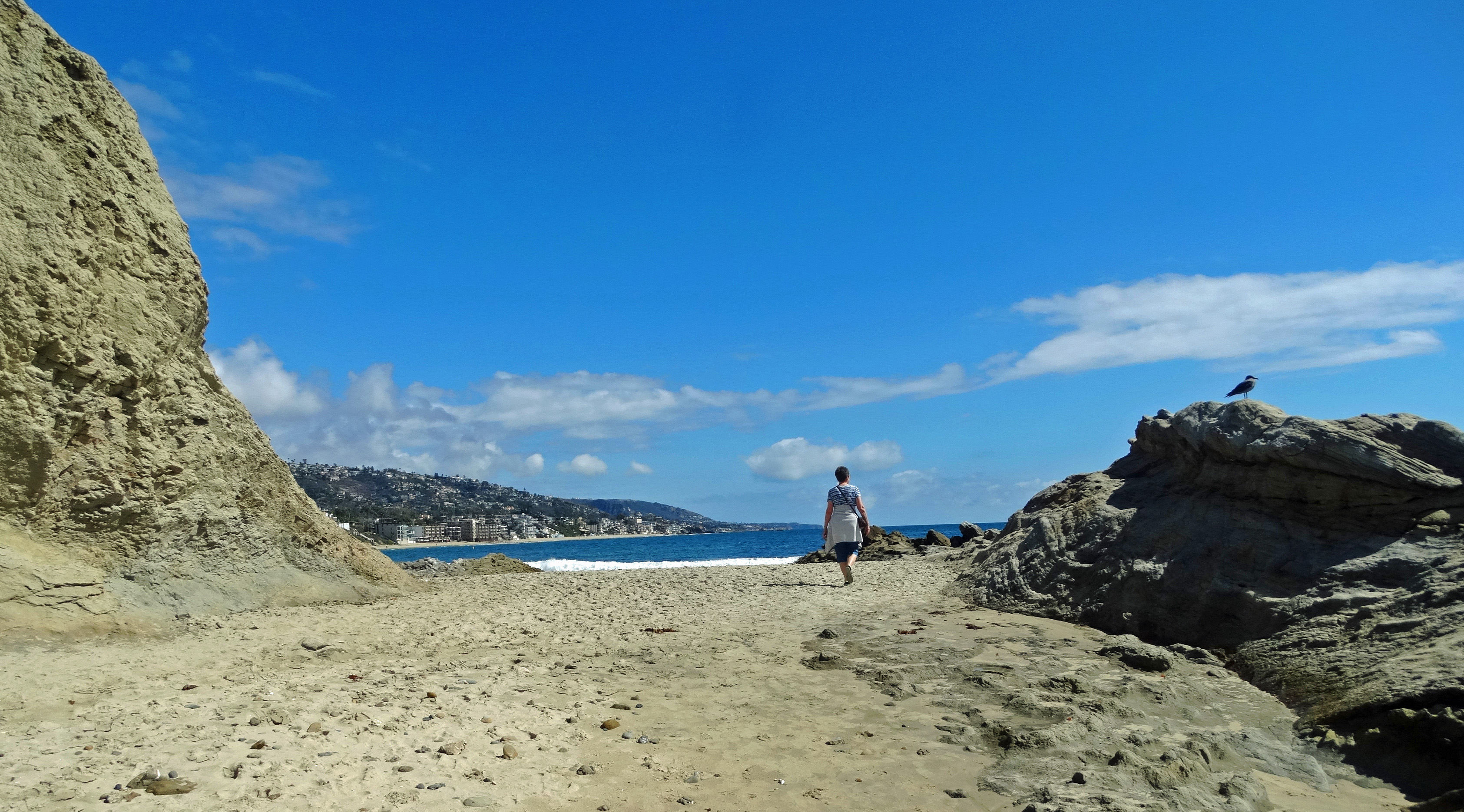
Cover image: Early Morning at Shaw's Cove by Vanessa Kay, CC BY 3.0, via Wikimedia Commons.
Inline image: Laguna tide pools by Don Graham, CC BY-SA 2.0, via Wikimedia Commons.

Comments