


June 2026 California Diving Wrap-Up: The Bloom Arrived Early

The month of June 2026 will be remembered as the month the bloom came six weeks ahead of schedule. Across California's dive zones—from Monterey to San Diego—the combination of marine heatwave warmth at the surface and persistent cold-water upwelling at depth created a perfect storm for plankton productivity. The result: an early-June red tide event that hammered visibility from the Bay Area through Orange County, with only offshore pinnacles and depth-access sites offering reprieve. Here's what actually happened, where divers found success, and what the data tells us about the rest of summer.
THE BLOOM TIMELINE: WHEN IT HIT AND HOW FAST

Historically, California's summer plankton blooms arrive in mid-to-late July. A few early years (like 2019) see activity by early July. But 2026's bloom was anomalous: it arrived in the first week of June and intensified rapidly through mid-June.
The sequence:
June 1-7: Early discoloration reported at San Diego bay mouths and Mission Beach. Water color shifting from clear blue to hazy green.
June 8-14: Bloom expansion northward. Monterey Bay reporting pea soup (3-8 ft visibility in coves). Orange County coves (Laguna, Crystal, Emerald) showing 5-10 ft murk. San Diego Mission Bay essentially closed to hunting (0-5 ft).
June 15-20: Peak bloom across southern and central California. Shore-based diving heavily impacted. Offshore pinnacles and boat-access sites holding 15-25 ft. Shallow bay zones at 0-3 ft.
June 21-27: Slight modulation as swell increased. Some offshore areas clearing to 20+ ft (La Jolla Cove reporting exceptional 20'+ conditions on 6/26). Shallow zones remained green.
The driver: The surface water temperature spiked to 68-72°F in San Diego, 62-66°F in Monterey—well above seasonal normal. Simultaneously, at-depth temperatures remained cold (51°F in central CA, 64°F in San Diego at 30 ft+), indicating active upwelling bringing nutrient-rich water to the photic zone. Warm surface + cold upwelled nutrients = maximum bloom productivity. The plankton bloom accumulated in the top 20 ft, creating the "surface lens" phenomenon documented in the memory logs.
REGIONAL BREAKDOWN: WHERE YOU COULD ACTUALLY DIVE
San Diego (Mission Beach, Pacific Beach, Ocean Beach):
Devastated. June 1-15 saw visibility ranging from 0-5 ft in bay-mouth zones. This matches the three-year pattern (2024, 2025, 2026 all show identical early-June red tide windows). Divers shifted to either offshore pinnacles (Coronado Islands, offshore San Diego) or gave up and dove elsewhere. Some reported slightly better (8-12 ft) in coves farther from bay discharge, but nothing worth traveling for.
Orange County (Laguna Beach, Newport, Huntington):
Mixed conditions. Shallow coves (Shaw's, Crescent, Emerald) ran 3-8 ft throughout June. South-facing coves (Woods, Moss Point) pulled 8-15 ft on better days. The pattern: shallow = bad, any depth relief = better. Divers who could reach the 30-40 ft zone on deep reef dives found clearer water. Crystal Cove saw 5-10 ft in the standard hunting zone (north of the SMCA boundary), forcing hunters to work the deeper reefs or wait for July.
San Diego County (La Jolla, Point Loma, Pt Conception):
The bright spot. La Jolla Cove and La Jolla Shores performed exceptionally on 6/25-6/26 with visibility reaching 20'+ at depth. The mechanism: depth access. The cove's natural drop-off and the kelp bed depth structure allowed divers to descend below the surface bloom layer and find clear water at 25-40 ft. Calico bass, Giant Sea Bass interactions, and visible reef structure made these spots premium diving. Point Loma Kelp also held surprisingly well (15-20 ft reported), benefiting from the constant current moving offshore.
Monterey Bay (Santa Cruz, Carmel, Big Sur):
Textbook Monterey Paradox. Summer bloom hit hard with pea soup conditions in most coves (3-8 ft typical). Depth access sites and offshore pinnacles (Aumentos, Shale Island) provided escape at 15-25 ft. Shore-based hunting in traditional coves (Lovers Point, Bird Rock) was frustrating. One bright point: the deep kelp forest (40-60 ft) stayed clearer because it was below the primary bloom accumulation zone, leading some boat divers to success at depth.
Northern California (Half Moon Bay, Point Arena, Fort Bragg):
Similar story to Monterey. Summer bloom established by mid-June. Offshore and depth sites performed better than shore-based coves. Calico bass fishing off rocky reefs at 30+ ft yielded results where cove diving at 10-20 ft did not.
THE HEATWAVE SIGNATURE
Water temperatures ran 2-4°F above seasonal normal throughout June. San Diego surface water hit 70°F (normal: 66°F). Monterey surface hit 64°F (normal: 58°F). At depth, the temperatures were actually cool (Monterey at-depth 51°F, San Diego 64°F at 30 ft), but the surface lens of warm water sat like an invisible boundary on top of the bloom layer.
This warm surface has secondary effects:
Thermal comfort: Divers in 3mm suits stayed warmer, enabling longer bottom times without thermocline shock.
Bloom vigor: Warm surface + light + nutrients = aggressive plankton growth. The bloom won't fully break until water mixing (via high swell) or nutrient depletion.
Species behavior: Warm surface may push some fish deeper, making depth access even more valuable.
FISHING CONDITIONS AND SPECIES ACTIVITY

Calico Bass (Kelp Bass):
Spring-spawning calico had mostly finished spawning by June, with males still aggressively defending nests. Shore-based divers found them in shallow rocky habitat (15-25 ft). Visibility was the limiting factor—where you could see 15+ ft, calico hunting was productive. Offshore divers reported good numbers. Bag limits (10 fish) were legal and achievable for experienced hunters on clear days.

White Seabass:
June is the start of the summer run. Offshore and open-water pelagic hunters found white seabass in the 30-80 ft zone, most successfully around major structure (points, reefs, offshore pinnacles). One operator reported two white seabass to 25 lbs offshore. The key: white seabass don’t need clear water—they’re croakers that hunt by sound and lateral line and will hold in and along the murk, so the bloom didn’t shut them down the way it did sight-hunting species. Offshore was simply where the fish were concentrated.

Halibut:
Year-round residents on sandy-rocky transitions, halibut were active throughout June. Shallow bay areas (Pacific Beach, Mission Bay) were unhuntable due to bloom, but deeper sandy zones (20-40 ft) held halibut. Reports suggest June halibut hunting was slower than spring (likely visibility related) but still viable for disciplined hunters.

Giant Sea Bass (GSB):
Multiple interactions reported in June at La Jolla Cove and La Jolla Shores. The population recovery continues. GSB are fully protected (no harvest), but observation opportunities were exceptional when visibility allowed. 6/26 report: five separate GSB interactions in one dive at La Jolla Cove, including a scarred individual and one towing abandoned fishing line. No white sharks reported (ongoing pattern).
TACTICAL LESSONS FROM JUNE
1. Offshore is not optional anymore:
June 2026 proved that shore-based hunting in California's traditional coves is unreliable during bloom season. Successful divers pivoted to: (a) boat-access pinnacles, (b) depth-access reefs accessible from shore but requiring 40-60 ft dives, or (c) geographic escape (traveling north to less-affected regions). The days of hunting productive calico in 15-20 ft visibility in a cove are over for June-July.
2. Thermal access beats all:
La Jolla Cove's success was purely about depth. Divers dropping to 25-40 ft escaped the surface bloom layer entirely. This works only where the bottom geometry allows it. Shallow coves without depth access are simply non-viable during bloom.
3. Bay mouth avoidance is critical:
San Diego's bay mouths (Pacific Beach, Mission Bay, Ocean Beach) were essentially non-diveable in early June. The same pattern will repeat in 2027 and beyond—it's calendar-predictable. Divers booking trips for early June should automatically avoid bay-mouth zones and plan for offshore or geographic alternatives.
4. Night diving legitimacy:
Several reports of night diving efforts in June. Visibility limitations don't matter as much at night (you use lights). While lobster season is closed, night hunting for halibut, rockfish, and calico bass became a viable tactic in June. This deserves more exploration.
5. Swell modulation helps:
Higher swell (15-20 ft range) actually helped visibility in some offshore zones by mixing the water column. Calm conditions trap the bloom at the surface. Counterintuitive, but critical for understanding July's forecast.
THE MACRO PICTURE: WHAT 2026 IS TELLING US
The marine heatwave is real, and it's changing the calendar. The seasonal bloom has shifted earlier (June instead of July). Water temperatures are running 2-4°F hot. The at-depth upwelling signal is still cold, indicating the heatwave is a surface lens phenomenon, not a wholesale warming event.
This matters for spearfishers because:
Summer hunting is becoming a boat/offshore game, not a shore game
Planning trips requires checking offshore conditions, not just cove forecasts
Early June is permanently unreliable (three years running now)
July will likely be worse (peak bloom month historically, and 2026 started early)
Fall (September-October) is the new summer (best visibility, hunting conditions)
JUNE NUMBERS AT A GLANCE
Region | Typical June Viz | 2026 June Actual | Best Tactic
San Diego Shore | 10-15 ft | 3-8 ft | Avoid / Offshore
Orange County Coves | 12-18 ft | 5-10 ft | Depth access
La Jolla | 15-20 ft | 20'+ (at depth) | Night / Deep dive
Monterey Coves | 8-15 ft | 3-8 ft | Offshore pinnacle
Offshore Pinnacles | 20-30 ft | 20-30 ft | Excellent
LOOKING BACK AT WHAT WORKED
The divers who succeeded in June 2026:
Boat access: Pinnacle divers (Coronado Islands, Aumentos, Pt Conception area) maintained 20-25 ft visibility consistently.
Depth discipline: Those willing to dive 30-50 ft in coves where the depth existed found clearer water below the bloom.
Night operations: A few night-diving operators reported good success, especially for halibut.
Geographic flexibility: Divers who traveled to different regions (e.g., Monterey to San Diego to offshore) optimized conditions.
Acceptance: Many simply didn't hunt in June 2026. They waited, watched the forecast, and planned for July with realistic expectations.
WHAT JUNE COST US
Tourism impact: Casual divers and snorkelers expecting "summer diving" showed up to murk. Bad reviews, poor word-of-mouth.
Spearfishing opportunity cost: A month of reduced hunting pressure on fish stocks because visibility sucked.
Data loss: Some spotters couldn't collect reliable visibility data due to consistent poor conditions.
Thermal shock: Divers pushing themselves to 60 ft to escape the bloom experienced greater thermal gradients and physical stress.
THE BOTTOM LINE ON JUNE 2026
June 2026 was the month California's diving year inverted. Traditionally, June is good. This year, it was survival mode—find offshore, go deep, or go home. The bloom arrived six weeks early, driven by the marine heatwave's surface lens over active upwelling. Divers with flexibility and resources (boats, deep-dive training, geographic mobility) succeeded. Shore-based hunters in traditional coves struggled.
Most importantly, June 2026 confirmed a three-year pattern: early June is now permanently unreliable in San Diego and southern California. If you're planning a summer trip to California in 2027, 2028, or beyond, avoid early June. Plan for late June-onward, or shift to fall (September-October) for the best conditions.
The question now is: what will July bring?
Photo credits: Data compiled from SpearFactor dive reports, NOAA temperature records, and California Department of Fish and Wildlife field observations through June 27, 2026. Regional comparisons based on multi-year historical diving logs and marine heatwave tracking.
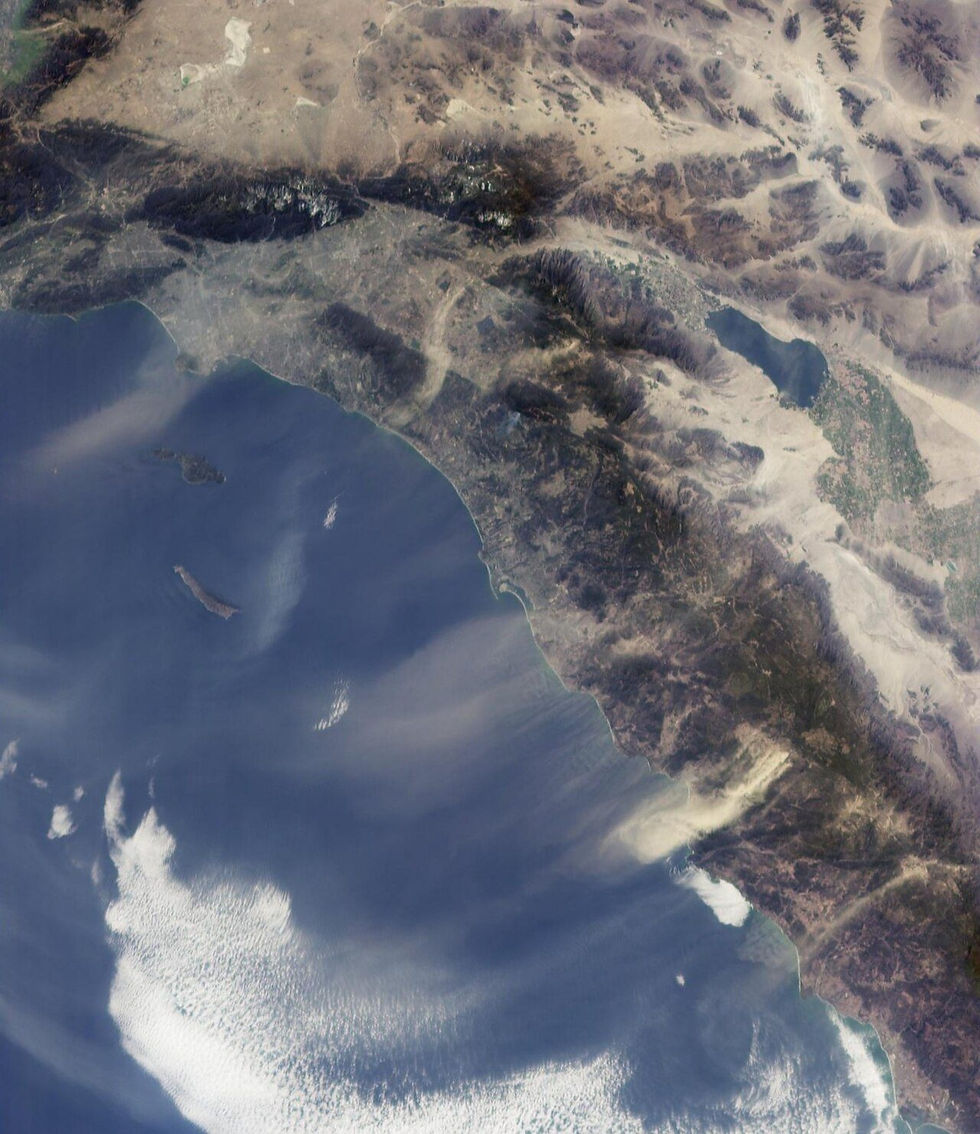
Image credits: La Jolla red tide via Wikimedia Commons (public domain); white seabass by Patrick Cox / iNaturalist (CC BY 4.0); kelp bass by Steve Lonhart / MBNMS (public domain); California halibut by RatioTile (CC BY-SA 4.0); copper rockfish by Newtonsneurosci (CC BY-SA 4.0); giant sea bass by Donald Davesne / iNaturalist (CC BY 4.0). All images via Wikimedia Commons.


Comments