


Spearfishing San Clemente Island: California's Military-Adjacent Bluewater Playground

Why San Clemente Island Is in a League of Its Own
If you have spent any time diving the Channel Islands, you already know that each island has a distinct personality. Santa Cruz is kelp-choked and cold-water productive. Catalina is the accessible weekend getaway. But San Clemente Island — the southernmost of the eight California Channel Islands — sits in a category all its own. It is farther offshore, warmer, clearer, and home to a species list that makes mainland divers lose sleep planning trips they have not booked yet.
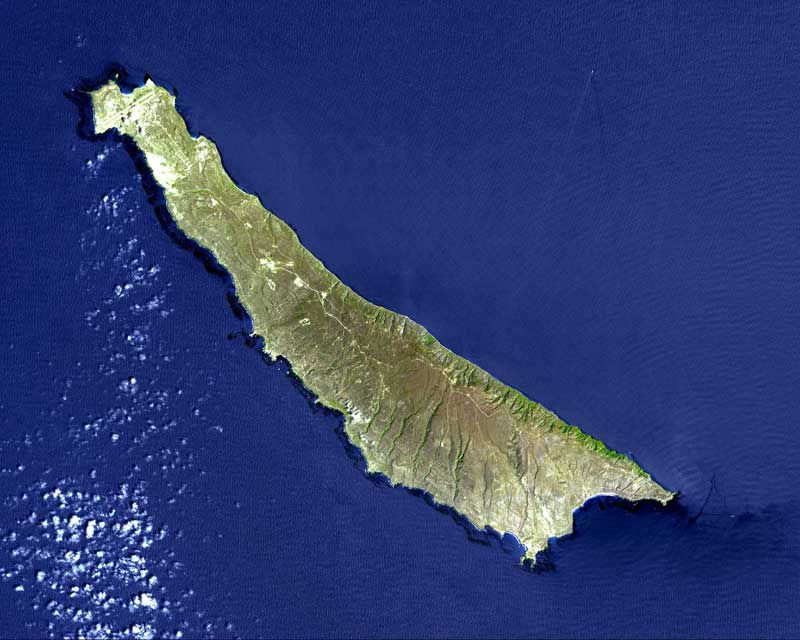
San Clemente Island (SCI) lies roughly 68 miles west-northwest of San Diego and about 55 miles south of Catalina. The Navy owns it — the entire island is a military installation operated by the U.S. Navy as part of the San Clemente Island Range Complex. You cannot set foot on shore. But the waters surrounding SCI are open to recreational diving and fishing, with some restrictions, and that is where things get very interesting for California divers with a speargun and a boat ride's worth of patience.
I have made the crossing enough times to know that SCI rewards preparation and punishes improvisation. The island is remote. Weather windows matter. Navy schedules matter. But when everything lines up — warm blue water pushing up from Baja, light current, and the Navy firing range quiet — there is no better spearfishing destination in California. Period.
What Makes San Clemente Island Special
SCI's southerly position is the key to everything. Sitting at approximately 32.9 degrees north latitude, it catches warm water influence from the south that the northern Channel Islands never see. In summer and early fall, water temperatures around SCI regularly hit 68-72 degrees, sometimes warmer during El Nino or warm-water years. Visibility of 60 to 80 feet plus is common, and I have personally experienced 100-foot-plus visibility days that felt more like diving in some remote island in another part of the world than California.
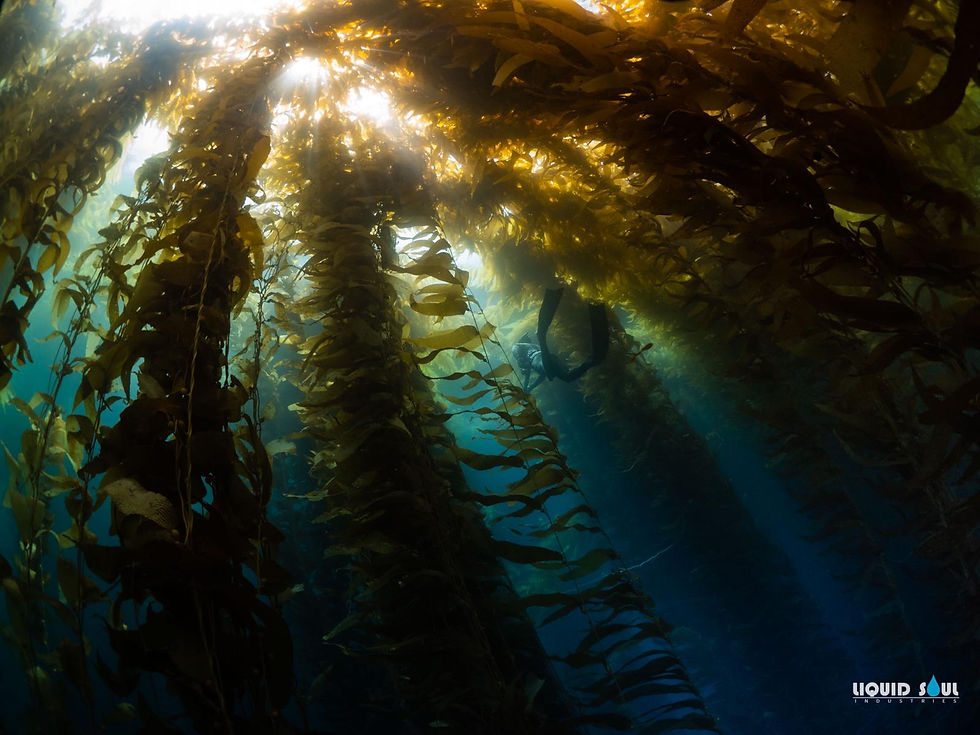
The underwater terrain is a collision of ecosystems. The island's western (backside) face drops steeply into deep blue water, creating bluewater hunting opportunities for pelagic species. The eastern (frontside) is more protected, with extensive kelp forest beds, rocky reefs, and structure that holds resident gamefish year-round. The south end features dramatic pinnacles and drop-offs. The north end has more gradual terrain with sand channels between reef. This diversity means you can hunt reef species in the morning, drift the kelp edges at midday, and set up on a bluewater drop in the afternoon — all without moving the boat more than a few miles.
Species: The Full Lineup
San Clemente Island's species list reads like a greatest-hits compilation of Southern California spearfishing, with a few warm-water bonuses that mainland spots rarely deliver.
Yellowtail
Yellowtail are the bread and butter of SCI spearfishing. They show up reliably from late spring through fall, cruising the kelp edges, pinnacles, and drop-offs. SCI yellowtail tend to run bigger than mainland fish — 25- to 35-pounders are common, and 40-plus-pound fish are taken every season. The south end around Pyramid Head and Castle Rock is legendary yellowtail water. These fish are often less pressured than their Catalina or La Jolla counterparts, and on good days they will swim right through your chum line or circle a pinnacle within easy range.
White Sea Bass
White sea bass frequent the thick kelp beds along SCI's frontside and the leeward side along the ledges, particularly in spring and early summer when they move in to spawn. The island's healthy kelp canopy provides ideal ambush terrain. Early morning dives in the kelp, lying still near the bottom in 30 to 50 feet of water, produce encounters that mainland divers dream about, but don't forget to check the shallows off of the shoreline either.

Calico Bass and Sand Bass
Calico bass (kelp bass) are everywhere around the island, stacked on every reef, ledge, and kelp holdfast. They are reliable targets for divers of all skill levels. Sand bass hold on sandy patches adjacent to reef structure. Both species make excellent table fare and are almost always cooperative when the bigger species are playing hard to get.
Sheephead
California sheephead thrive in the rocky reef habitat around SCI. Large males — with their distinctive black-and-red coloring and prominent forehead bump — patrol the reef edges. They are not particularly spooky and make satisfying targets, especially for divers working a pole spear. Minimum size is 12 inches, and the big males can push past 15 pounds.
Barracuda and Bonito
California barracuda show up in summer, especially along the frontside where the kelp meets open water. Schools can be thick enough to make shot selection the hardest part. Bonito roam the entire island perimeter, particularly near current points and bait concentrations. Both species are fast, fun to hunt, and underrated on the table when bled and iced properly.
Pelagic Species: Bluefin, Yellowfin, and Beyond
This is where SCI separates itself from every other California dive destination. The island's position at the southern edge of the Channel Islands chain, combined with the deep water on its backside, creates a crossroads for pelagic species. Bluefin tuna have been showing up with increasing frequency in warm-water years, particularly from late summer through fall. Yellowfin tuna make appearances during strong warm-water events. Dorado (mahi-mahi) pass through during late summer when warm currents push north, and wahoo are a rare but real possibility in exceptional warm-water years. The backside of SCI, where the bottom drops from 80 feet to over 1,000 feet within a short distance, is prime territory for drifting with a flasher and waiting for something big to materialize out of the blue.
Halibut and Lobster
Halibut lie on the sand flats between reef structures, particularly along the frontside. They are not as abundant as at some mainland spots, but the ones you find tend to be larger — barn doors in the 15- to 25-pound range are not uncommon. During lobster season (early October through mid-March), SCI produces impressive bugs. The island's relatively low diving pressure compared to Catalina or the mainland means the lobster populations are healthier, and legal-sized lobster are easier to find in accessible depths.
Best Areas to Dive

Pyramid Head (South End)
Pyramid Head is the crown jewel. This dramatic rocky point at the island's southern tip creates upwelling and current convergence that aggregates bait and, in turn, everything that eats bait. Yellowtail stack up here in summer. The structure drops quickly from shallow reef to deep blue water, making it possible to hunt reef species on one dive and set up for pelagics on the next. Current can be strong, so this is an experienced-diver spot. When it is firing, there is nowhere better in California.
Castle Rock
Castle Rock sits just off the southeast corner and is a magnet for pelagic activity. The rock structure rises from depth and creates an underwater highway for yellowtail, barracuda, and bonito. The surrounding water is often the clearest around the island because it is exposed to open-ocean current. Bluewater setups in the deep water adjacent to Castle Rock have produced bluefin encounters for divers willing to put in the time drifting.
China Point
Located on the southeast side, China Point offers a mix of kelp-covered reef and adjacent deep water. It is one of the more accessible spots on the island and a reliable producer for calico bass, sheephead, and white sea bass in the kelp. Yellowtail cruise the outer edges. The terrain is less extreme than Pyramid Head, making it a good option for divers who are newer to island diving or want a more relaxed hunt.
Northwest Harbor
The northwest harbor area provides shelter from prevailing swells and is often the calmest water around the island. It is a natural anchorage for overnight boats. The diving here focuses on kelp and reef habitat in moderate depths. White sea bass, calico bass, and halibut are the primary targets. It is also a productive lobster area during season. Think of it as the comfortable living room of SCI — less dramatic than the south end, but consistently productive.
The Backside (West Side)
The backside of SCI is the island's wild side. The western face is exposed to open-ocean swell, so it is only diveable on calm days — but when conditions allow, it is extraordinary. Steep drop-offs, current-swept points, and deep blue water make this prime bluewater territory. The backside is where divers hunting tuna or large yellowtail set up. Kelp is patchier here due to exposure, but the structure is dramatic: walls, ledges, and boulders that drop into the abyss. This is advanced diving territory where ocean conditions awareness is non-negotiable.
Seasonal Timing: When to Go
Understanding when to dive SCI depends on what you are targeting and what the ocean is doing that year.
June through October is the prime window. Water temperatures climb into the upper 60s and low 70s, visibility peaks, and the full species roster is available. Yellowtail are most active from June through September. White sea bass peak in April through June but linger into summer. Pelagic species — bluefin, yellowfin, dorado — are a late summer and fall phenomenon, typically August through November.
Warm-water years are exceptional. When sea surface temperatures run above average — as they have increasingly in recent years — SCI becomes almost tropical in character. The 2025 and 2026 seasons have seen unseasonably warm water pushing up earlier than usual, extending the window for pelagic encounters and improving visibility earlier in the spring.
Winter (December through March) is generally not worth the crossing for spearfishing. Water temperatures drop, visibility decreases, and the crossing can be rough. However, lobster season runs through mid-March, and dedicated bug hunters do make winter trips when weather allows.
Getting There: Access and Logistics
San Clemente Island is boat-access only. There is no ferry service, no public dock, and no setting foot on shore. Your options are private boats or charter sportfishing and dive boats.
Most charter boats departing for SCI leave from Dana Point (Orange County) or Long Beach and San Pedro. The crossing from Dana Point is roughly 55 to 60 nautical miles and takes 4 to 6 hours depending on the vessel and conditions. From Long Beach, add another hour or so. San Diego is actually the closest major port, at about 60 miles, and some boats run from there as well.
Overnight trips are the standard for SCI. The distance makes day trips impractical on most charter boats — by the time you arrive, dive all day, and return, you are looking at an 18-plus-hour day with limited actual dive time. Two- and three-day trips are common and highly recommended. These give you time to work multiple areas around the island, wait out rough mornings, and explore the backside on calm afternoons.
If you run a private boat, the crossing requires serious preparation. This is open ocean. Weather can change quickly. You need reliable navigation, communication, safety equipment, and enough fuel for the round trip plus a healthy reserve. The Navy may redirect you during live-fire exercises, which can add miles to your route. Do not take this crossing lightly.
Navy Restrictions: What You Need to Know
This is the part that makes SCI unique and occasionally frustrating. The U.S. Navy operates live-fire ranges, missile testing, and other military operations on and around San Clemente Island. When the Navy is actively using certain areas, they are closed to all civilian access — no exceptions.
The restricted zones are published as Notices to Mariners and can change weekly. The primary restricted area is the Shore Bombardment Area (SHOBA) on the island's west side, but closures can extend around the entire island during major exercises. Before any trip to SCI, you or your charter captain must check the current Navy firing schedule.
How to check access: The Navy publishes its firing schedule through the Naval Base Coronado public affairs office. Most charter boats that regularly run to SCI have established contacts and check the schedule as part of trip planning. You can also monitor VHF Channel 16 for real-time updates when approaching the island. The San Clemente Island Range Complex typically posts schedules a few weeks in advance, but they can and do change on short notice. Build flexibility into your trip planning — have a backup plan to fish Catalina or the Palos Verdes coast if SCI is closed.
The silver lining of Navy control is that it limits overall access to the island. SCI never gets the diving pressure that Catalina or the northern Channel Islands see. The fish are less educated, the reefs are healthier, and on a quiet weekday trip you may have entire sections of the island to yourself.
Regulations and Marine Protected Areas
Standard California regulations apply to all spearfishing around San Clemente Island. You need a valid California fishing license and an ocean enhancement stamp. Species-specific size limits and bag limits are the same as elsewhere in the state. Spearfishing is limited to breath-hold (free diving) only — no SCUBA spearfishing in California waters.
SCI has several marine protected areas established under California's MPA network. These include no-take zones where no fishing or collecting is allowed. The San Clemente Island MPAs include areas around the northwest end and portions of the eastern shore. Know these boundaries before you dive. Charter captains who regularly run SCI trips are familiar with the MPA boundaries and will keep you legal, but if you are on a private boat, download the CDFW MPA maps and GPS the coordinates. Fishing inside an MPA carries heavy fines.
Gear Considerations for SCI
SCI demands versatility. You are potentially hunting everything from calico bass in the kelp to bluefin in open water, so bring gear that covers the spectrum.
Wetsuits: A 3mm or 5mm suit handles summer conditions comfortably. In early season (May through June) or for deep dives, a 5mm or even 7mm keeps you warm on longer sessions. Water temperatures can vary significantly between the surface and 60 feet, especially early in the season.
Spearguns: Bring at least two. A 90 to 110cm gun handles reef work — calico bass, sheephead, and lobster pin work in tight spaces. A 120 to 130cm gun covers yellowtail and white sea bass in the kelp and on the reef edges. If you are serious about bluewater, bring a dedicated bluewater setup with a reel gun (140cm or larger) and a floatline with float. A breakaway setup is essential for tuna.
Flashers and chum: For bluewater setups, bring flashers — horizontal or vertical, whatever you have confidence in. A small amount of chum (tuna blood, bonito chunks) can help bring pelagics into range, especially on slow days. Many experienced SCI divers shoot a bonito early and use it as fresh chum for the rest of the day.
Dive float and flag: Mandatory. Boat traffic around SCI includes Navy vessels, commercial fishing boats, and other recreational craft. Fly your dive flag on a float at all times. A hard float with a flag holder is better than a soft float for overnight trips where gear gets tossed around on the boat.
Water Conditions: What to Expect
SCI's water is typically clearer and warmer than anything you find along the mainland coast or even at Catalina. During peak summer, 60- to 80-foot visibility is standard, with occasional days exceeding 100 feet. Water temperatures range from 60 to 65 degrees in late spring to 68 to 74 degrees in late summer. In warm-water years, temperatures above 70 degrees can persist from July through November.
Current is the variable to watch. The island creates eddies and upwellings, particularly at the south end and along exposed points. Moderate current is good — it brings bait and activates gamefish. Strong current makes diving dangerous and unproductive. Your captain will read the conditions and position the boat accordingly.
Swell matters too. The island's frontside (east) is protected from prevailing westerly swells, which is why most diving happens there. The backside requires low swell periods — under 3 feet from the west and northwest — to be safely diveable. Watch the swell forecast closely when planning trips, especially if you want to access the backside's bluewater potential.
Tips From Experience
Book multi-day trips. The crossing is long and the island is big. You need time to find where the fish are holding, wait out conditions, and capitalize on the good windows. A single-day trip to SCI is almost always a regret.
Bring extra everything. You are a long way from a dive shop. Extra bands, extra shafts, extra mask straps, extra gloves. If something breaks at SCI, you are done unless you have a backup.
Ice capacity matters. If you are having a productive trip, you need enough ice to keep fish cold for 2 to 3 days. Bring more than you think you need. A quality insulated fish bag or kill bag is worth the investment.
Respect the Navy. If you hear warnings on VHF or see Naval vessels signaling you to leave an area, comply immediately. This is not optional. The Navy has the authority to enforce closures, and ignoring them can result in serious consequences.
Dive the tide changes. Like most California structure, the reefs around SCI come alive during tidal movement. Slack tide can be quiet. The first hour of an incoming or outgoing tide often triggers feeding activity, particularly for yellowtail along current-swept points.
Check Conditions Before You Go
Check current visibility, water temperature, and fish activity predictions at your dive spot using the SpearFactor Fish & Dive Conditions Tool.
The Bottom Line
San Clemente Island is not the easiest destination in California. The crossing is long, the Navy adds an unpredictable variable, and you need to commit to multi-day trips to make the most of it. But for divers who are willing to put in the effort, SCI delivers a caliber of spearfishing that nowhere else in the state can match. The water is cleaner, the fish are bigger and less pressured, and the possibility of a true bluewater encounter — a bluefin materializing out of 80 feet of blue visibility — keeps divers coming back year after year.
Plan your trip for summer or early fall, book the longest trip you can afford, bring gear for every scenario, check the Navy schedule, and be ready to adapt. San Clemente Island rewards the prepared and the persistent. There is a reason divers who have been there once will rearrange their entire summer to go back.
Sunrise at Pyramid Point by Clark Anderson/Aquaimages via Wikimedia Commons (CC BY-SA 2.5); San Clemente Island satellite image by NASA/JPL via Wikimedia Commons (public domain); San Clemente and Catalina Islands by Darin R. McClure via Wikimedia Commons (CC BY 3.0); kelp forest and sardines, giant black sea bass, bat ray in kelp forest, and California moray eel at San Clemente Island by Clark Anderson/Aquaimages via Wikimedia Commons (CC BY-SA 2.5).

Comments